Display Keychains Explained: How a Screen on Your Keys Works
How display keychains work, what a small pixel screen can show, battery and readability basics, and what makes Pekko’s animated display keychain different.
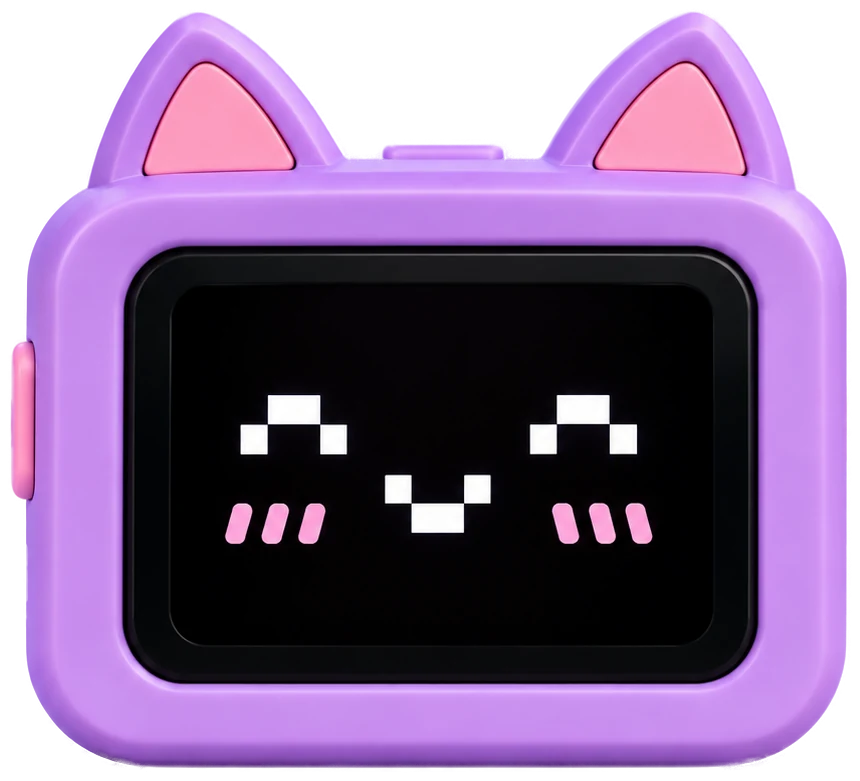
A display keychain is a keychain with a small built-in screen. Instead of a fixed charm or logo, it can show changing images, icons, short text or animations. It is the most visible kind of smart keychain, because the screen gives it a way to communicate.
How a screen on your keys works
Every display keychain has the same few parts working together:
- The screen. Usually a small monochrome or colour panel. Pixel-style screens are popular because they stay sharp and readable at a tiny size.
- A tiny processor. It decides what to draw and when, such as switching to an alert when your phone rings.
- A rechargeable battery. Small enough to fit in a keychain, so efficient screens and smart sleep modes matter.
- Optional connectivity. Bluetooth to talk to your phone, and sometimes NFC for tap-to-share.
What a display keychain can show
A small screen goes further than you might expect:
- Expressions and moods. Animated faces make the keychain feel like a tiny companion rather than an accessory.
- Notifications. A quick visual cue for an incoming call or SMS when your phone is out of reach.
- Little games. Simple one-button games are perfect for a pixel display.
- Status and feedback. Pairing, sharing and messages are clearer when you can see what is happening.
What to look for in a display keychain
- Readability. High-contrast screens with chunky pixels are easier to read at a glance, indoors and out.
- Battery behaviour. Look for a device that sleeps when idle and wakes when it has something to show.
- Durability. Keys get dropped and scratched, so a rounded, protective shell around the screen helps.
- Purpose. A display is most useful when it is connected to something you care about, like messages from your phone or a friend.
Pekko: a display keychain with a personality
Pekko’s screen sits inside a soft lavender body with cat ears, and it is designed to be expressive first. It shows animated pixel faces (happy, sleepy, grumpy, in love, excited and more), switches to call and SMS alerts when paired over Bluetooth, runs tiny games, and lets friends tap their phone to open your link over NFC. You can try the expressions yourself on the Pekko home page.
Pekko is launching soon as India’s first smart keychain. Join the waitlist to be the first to know.